
Production issue investigation
Find out what changed, and why it matters.
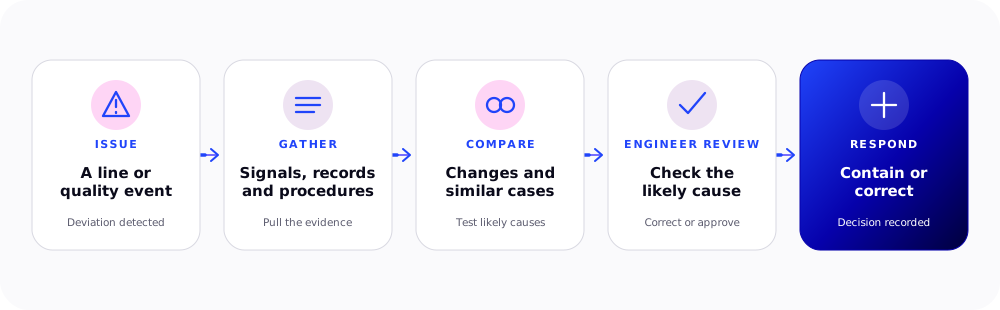
Agent Hive links the deviation to process history, recent changes, current procedures and similar cases. Engineers review the likely causes.
Agent Hive for manufacturing
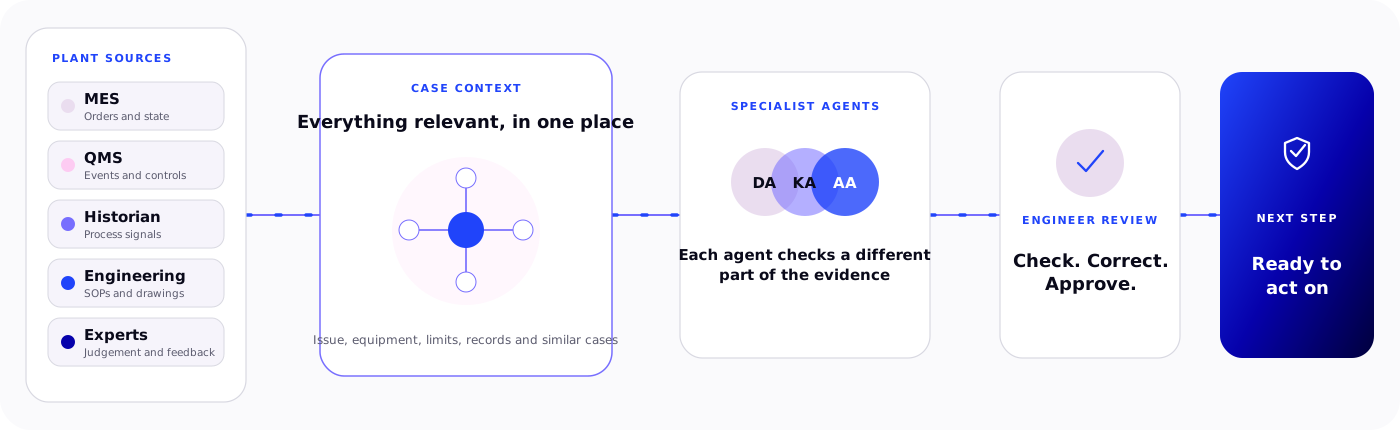
Bring plant data, procedures and engineering judgement together before anyone decides what happens next.
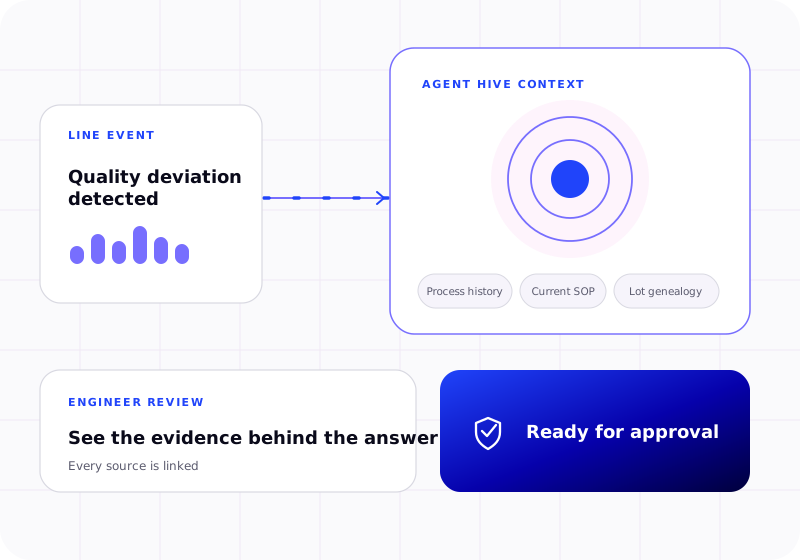
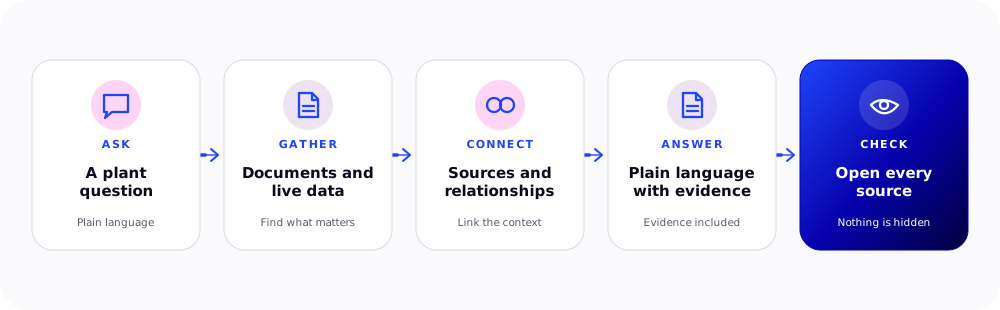
Agent Hive pulls the relevant signals, documents and past decisions into one case your engineers can check.
Nothing is hidden. Engineers can trace every recommendation back to its source.
Start with a real production or engineering question. Agent Hive follows the evidence and fits the way your team reviews decisions.
Production issue investigation
Agent Hive links the deviation to process history, recent changes, current procedures and similar cases. Engineers review the likely causes.
Engineering change coordination
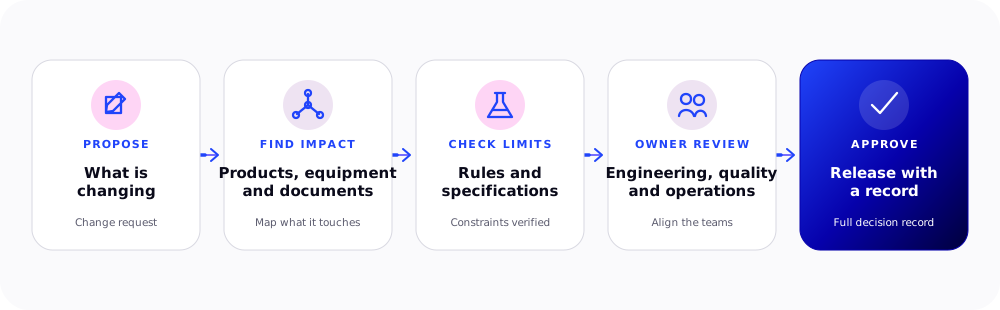
Connect the proposal to affected products, equipment, specifications, procedures and validation work.
Manufacturing knowledge
Bring together documents, equipment, process and lot history. Every answer links back to the source your engineer needs to review.
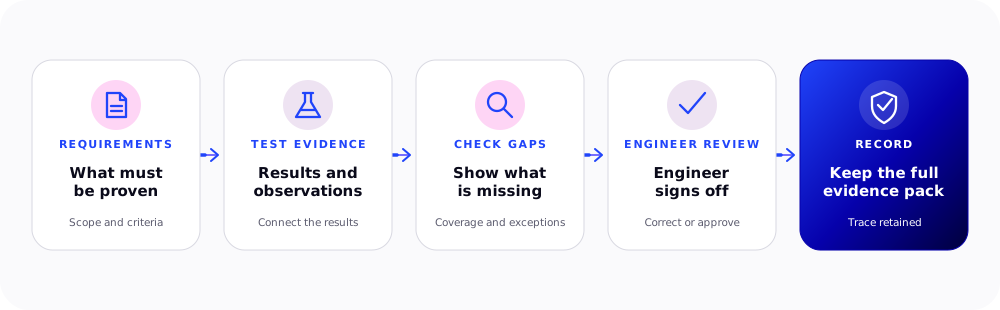
Verification and validation
Connect each requirement to its tests, observations, deviations and approvals so reviewers can spot gaps quickly.
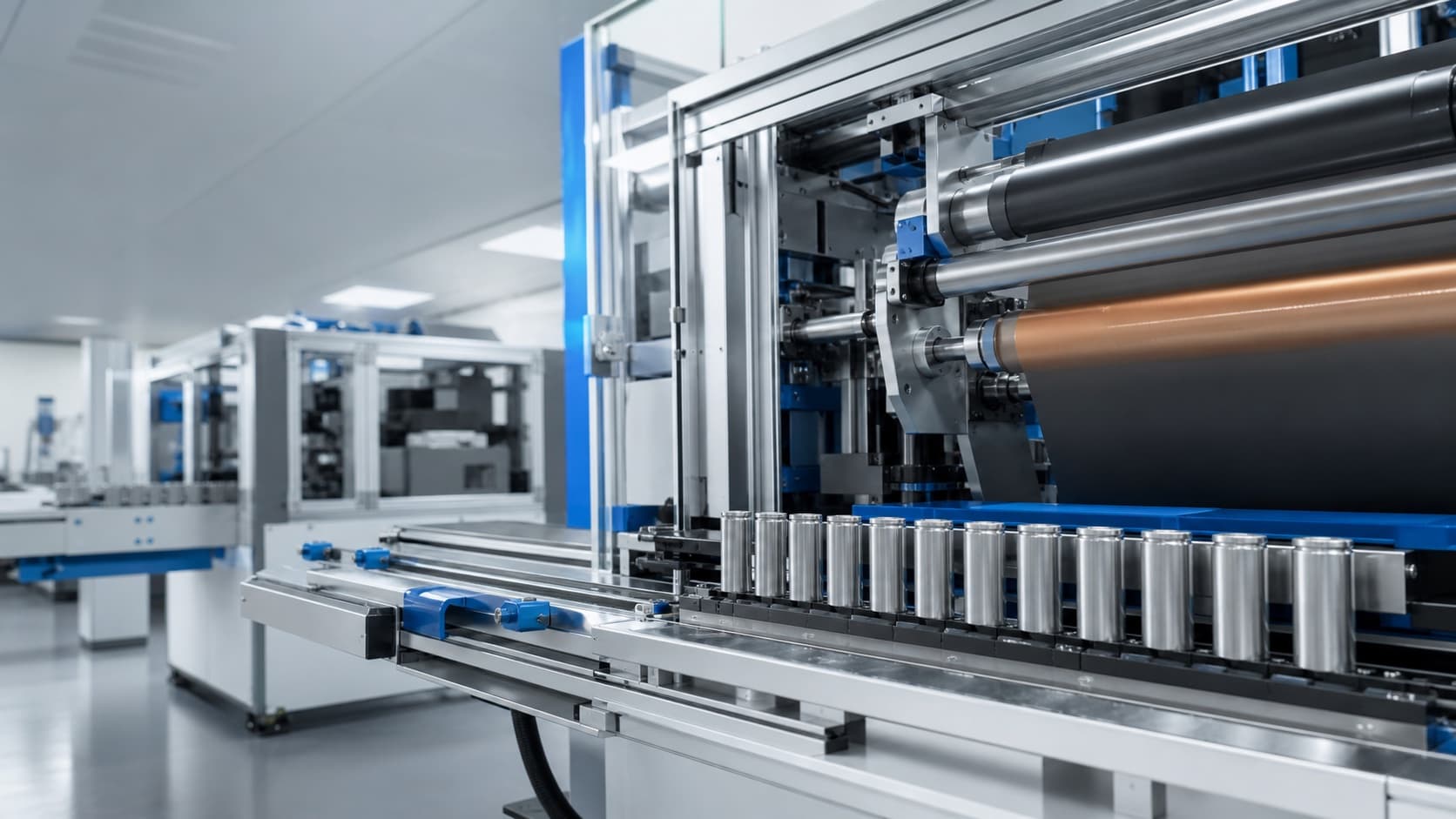
Battery manufacturing example
This proposed deployment connects equipment events, procedures, recipes, specifications and genealogy in one plant knowledge graph.
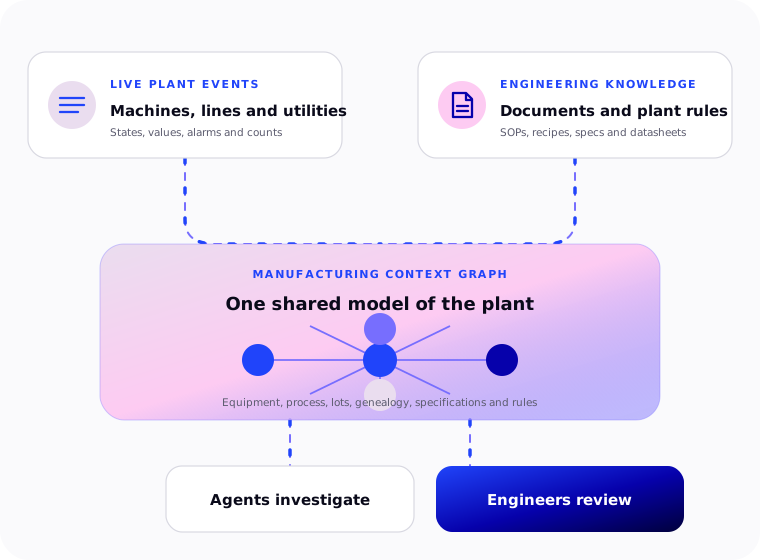
This is an anonymized look at the proposed deployment. It describes the scope and architecture only; no production results are claimed.
Read the full story (opens in a new tab)Keep Agent Hive inside the plant network, or use a controlled gateway for model access. Your data and audit trail stay under your control.
Keep everything on the plant network
For plants where process recipes and operational data cannot leave the site.
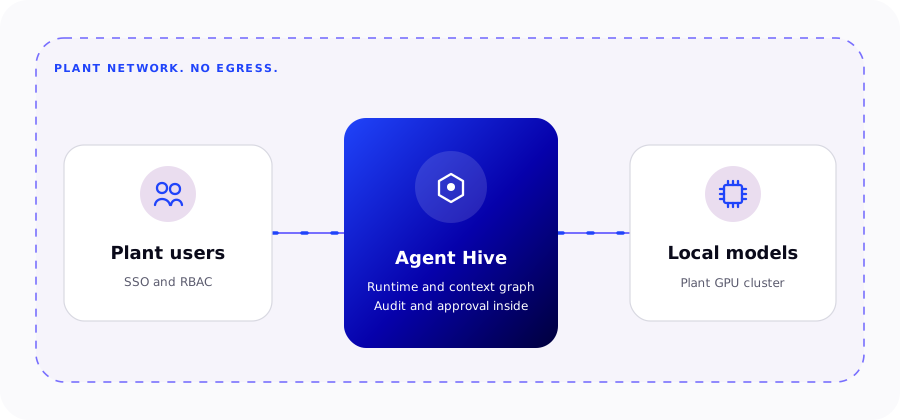
Plant data stays on-premises
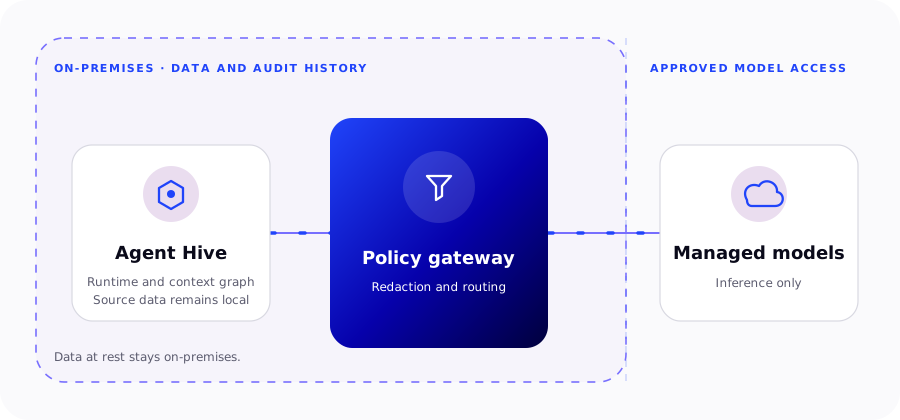
A policy gateway redacts and routes requests. The graph, source data and audit history remain inside the plant.
Most teams start with one difficult decision, the evidence behind it and the people who need to sign it off.
No. Those systems remain the source of record. Agent Hive brings the relevant data and documents together when your team needs to investigate a question.
Yes. Engineers can open the sources, follow the reasoning, correct mistakes and approve the next step.
Yes. Agent Hive can run fully air-gapped. A hybrid option is also available when approved model access is allowed through a controlled gateway.
Choose one important decision that currently takes too much searching and coordination. Make sure the source systems, reviewers and success criteria are clear.
No. It is an anonymized account of a proposed scope and architecture. We do not claim production results from it.
Bring us a real manufacturing problem
We’ll identify the sources, agent roles, review steps and deployment setup needed for one workflow.